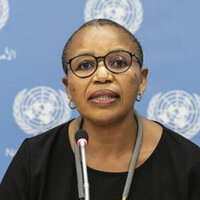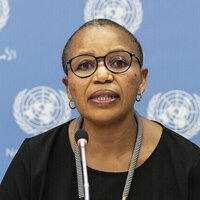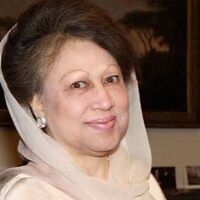


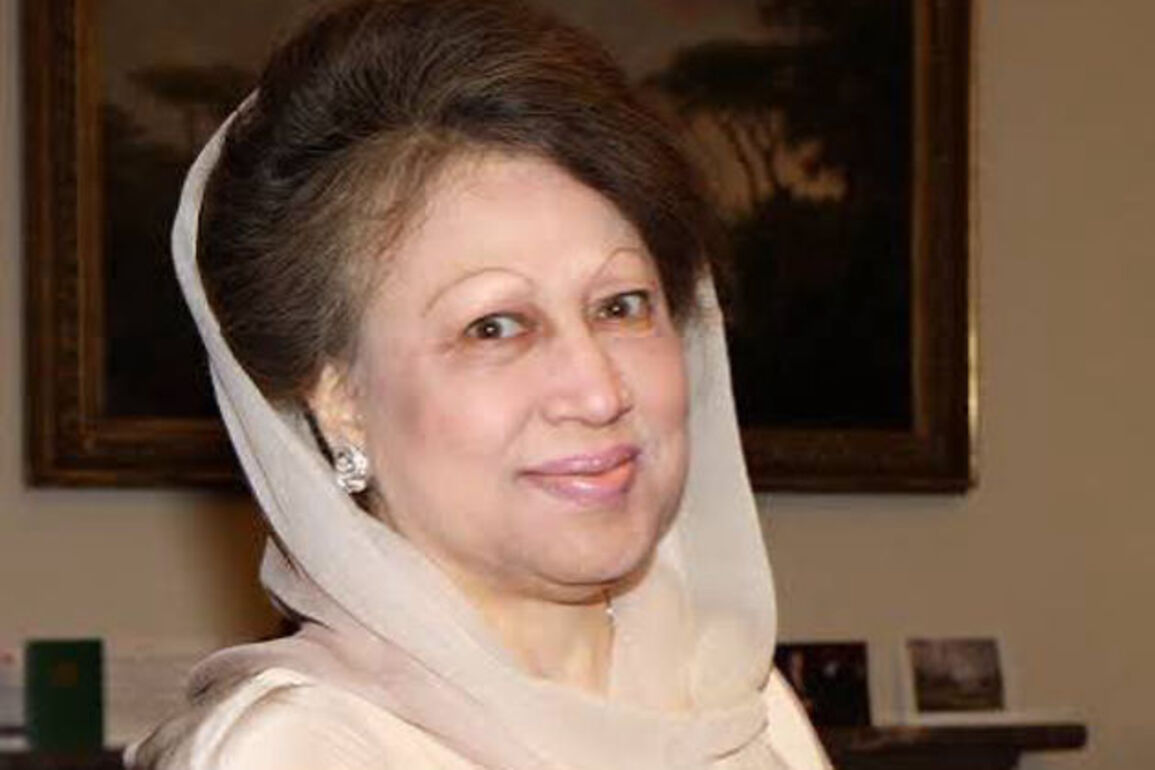
DHAKA, Bangladesh: Bangladesh's first female prime minister, Khaleda Zia, passed away after a prolonged illness. She was 80.
Zia had advanced cirrhosis of the liver, arthritis, diabetes, and chest and heart problems, her doctors said. In early 2025, she went to London for medical treatment, staying for four months before returning home.
Though Khaleda had been out of power since 2006 and had spent several years in jail or under house arrest, she and her centre-right BNP continued to command much support.
Her son, Tarique Rahman, 60, who is also the acting chairman of the BNP, returned to the country last week after nearly 17 years in self-exile. He is widely tipped to become prime minister in the forthcoming parliamentary elections in February, as his party is seen as the frontrunner.
Bangladesh has been governed by an interim administration led by Nobel Peace Prize winner and microfinance pioneer Muhammad Yunus since a student-led uprising removed Sheikh Hasina from power in August 2024. Hasina is currently living in India.
Known by her first name, Khaleda was initially seen as shy and focused on raising her two sons until her husband, army chief and later president Ziaur Rahman, was killed in a failed military coup in 1981.
Three years later, she took over leadership of the Bangladesh Nationalist Party (BNP), founded by her husband, and pledged to fulfil his vision of freeing Bangladesh from poverty and economic underdevelopment.
She later joined forces with Hasina, the daughter of Bangladesh's founding leader and head of the Awami League, to lead a mass pro-democracy movement that overthrew military ruler Hossain Mohammad Ershad in 1990.
Their alliance was short-lived. A deep personal and political rivalry soon emerged, earning them the nickname "the battling Begums," using an Urdu title of respect for prominent women.
Supporters described Khaleda as courteous, traditional, and quietly elegant, careful in her speech but firm and unyielding when defending her party or challenging opponents. Hasina, in contrast, was more outspoken and forceful. Their contrasting personalities helped drive a rivalry that shaped Bangladeshi politics for decades.
In 1991, Bangladesh held what was widely regarded as its first free election. Khaleda won an unexpected victory over Hasina with the backing of the Islamist party Jamaat-e-Islami.
She became Bangladesh's first woman prime minister and only the second woman to head a democratic government in a predominantly Muslim country, after Pakistan's Benazir Bhutto.
During her first term, Khaleda replaced the presidential system with a parliamentary one, strengthening the prime minister's powers, easing restrictions on foreign investment, and making primary education free and compulsory.
She lost power to Hasina in the 1996 election but returned to office five years later with a sweeping victory. Her second term, however, was overshadowed by the rise of Islamist militancy and allegations of corruption.