

TEHRAN, Iran: Huge numbers of Iranians took to the streets on December 29, in the largest protest seen in the country, following the country's currency crashing to a record low against the U.S. dollar, leading to the resignation of the head of the Central Bank.
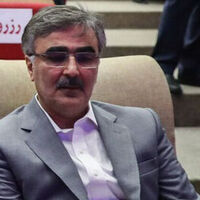
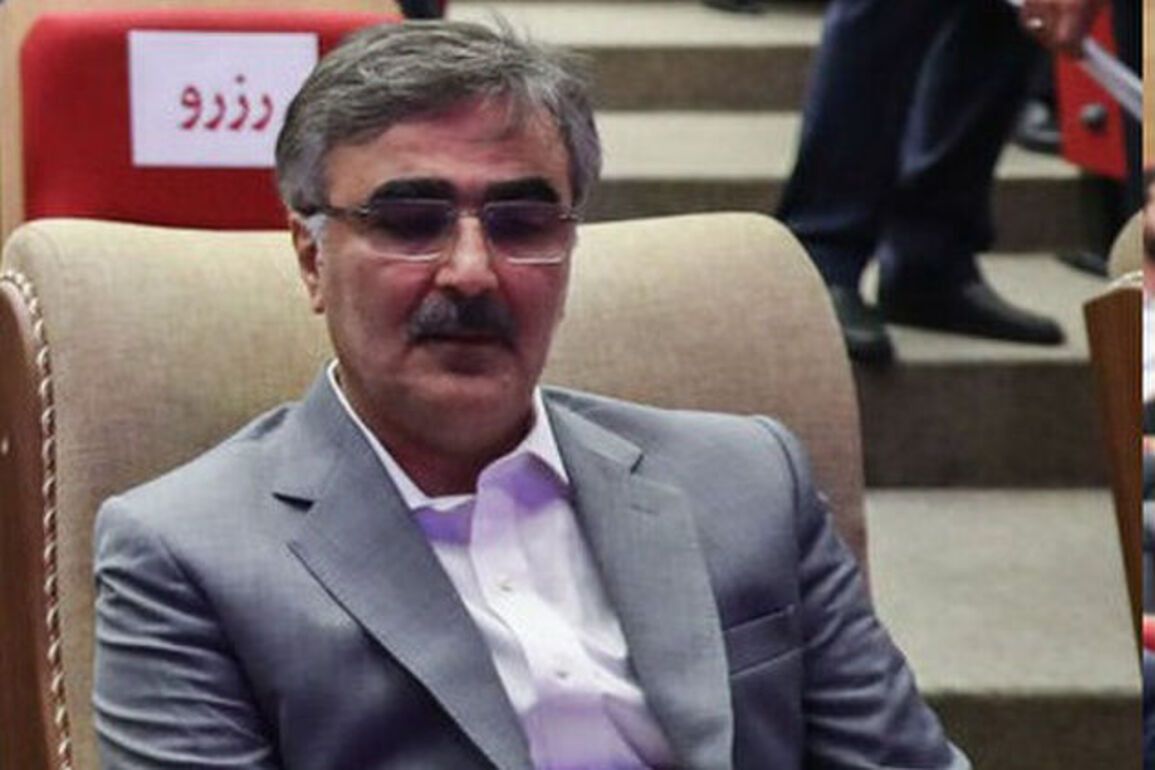
State TV reported that Mohammad Reza Farzin had resigned even as traders and shopkeepers rallied in Saadi Street in downtown Tehran as well as in the Shush neighborhood near Tehran's main Grand Bazaar. In the 1979 Islamic Revolution, merchants at the market played a crucial role in ousting the monarchy and bringing the Islamists to power.
The official IRNA news agency confirmed the protests. Witnesses reported similar rallies in other major cities, including Isfahan in central Iran, Shiraz in the south, and Mashhad in the northeast. In some places in Tehran, police fired teargas to disperse protesters.
Monday's protests were the biggest since 2022, after the death in police custody of 22-year-old Mahsa Jina Amini triggered nationwide demonstrations. The country's morality police arrested her for allegedly not wearing her hijab properly.
Witnesses told The Associated Press that traders closed their shops and urged others to do the same. The semi-official ILNA news agency said many businesses stopped operating, although some remained open.
Iran's rial fell to 1.42 million to the U.S. dollar, down from 1.38 million on December 29. Reports about the possible resignation of Central Bank Governor Mohammad Reza Farzin had been circulating for a week. When he took office in 2022, the rial was worth about 430,000 to the dollar.
The sharp fall in the currency has increased inflation, raising the cost of food and other basic goods and putting more pressure on household budgets. This situation could worsen after recent changes in gasoline prices.
There is also uncertainty over the risk of renewed conflict after June's 12-day war between Iran and Israel. Many Iranians fear a broader conflict that could involve the United States, which would add to market concerns.
In September, the United Nations reimposed nuclear-related sanctions on Iran under what diplomats called the "snapback" mechanism. The sanctions again froze Iranian assets abroad, stopped arms deals with Tehran, and imposed penalties linked to Iran's ballistic missile program.
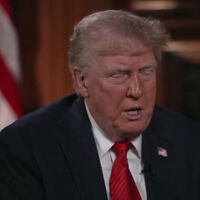
On December 29, U.S. President Donald Trump warned Iran that the United States could carry out more military strikes if Tehran tries to rebuild its nuclear program. He made the remarks during talks with Israeli Prime Minister Benjamin Netanyahu at his home in Florida.
Trump had earlier said U.S. strikes in June had "completely and fully obliterated" Iran's nuclear capabilities. However, standing alongside Netanyahu, he suggested there could still be suspicious activity outside the targeted sites.